What's a Romantic French Bistro Meal to Cook Together?
Leeks, charred hard in a screaming-hot pan, blackened at the edges in a way that looks like a mistake and tastes like the opposite of one. Someone tastes a piece straight off the cutting board before it's even been dressed, before it's touched a plate — and stops, a little surprised that something this cheap and this plain-looking could taste like it belongs somewhere with white tablecloths.
Leeks vinaigrette, then something seared hard and fast — steak-frites energy without a reservation. The bistro fantasy is the pacing and the wine, not a complicated menu; the whole thing costs less than dinner out and takes about the same effort.
What actually makes a meal feel like a French bistro?
Pacing and a few specific, simple moves — not an elaborate menu, and definitely not a stack of unfamiliar techniques. What a food fantasy actually is applies directly here: the bistro feeling is atmosphere and confidence, built from a small number of things done exactly right, rather than a long list of dishes done adequately. A three-page menu doesn't read as French. A single, unhurried course served with intention does.
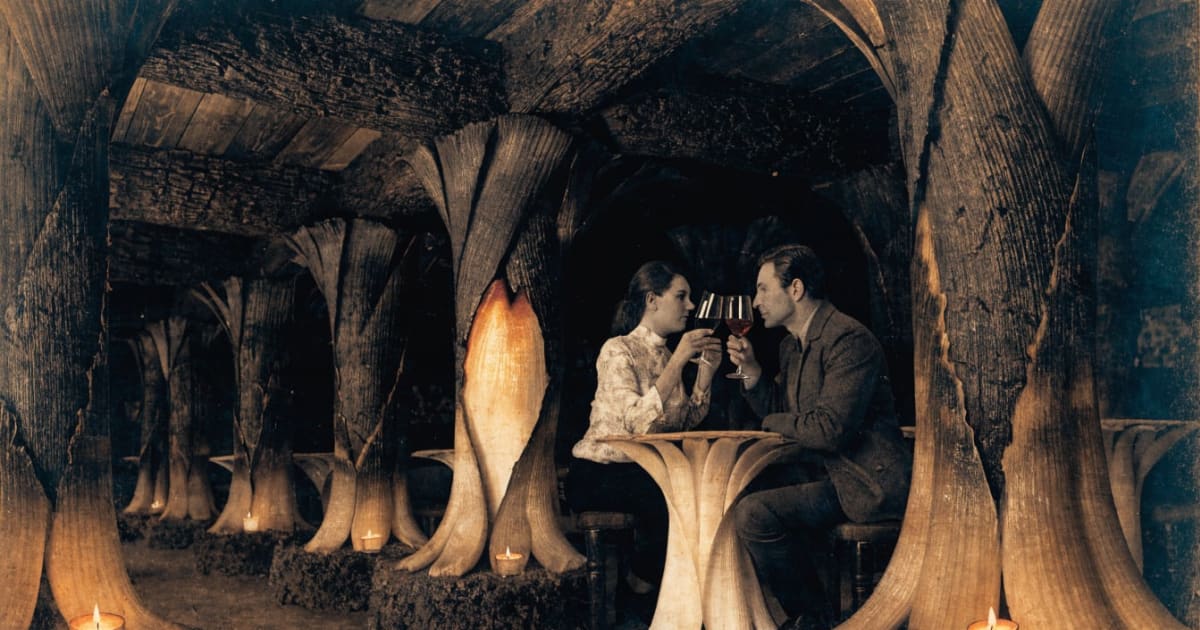
The room matters as much as the plate. A bistro is small, a little too warm, the tables too close together, a glass of something red already poured before anyone's ordered — and every one of those is copyable in a kitchen for two. Turn the big light off. Put the bread on the table in a cloth, not a bag. Pour before you cook, not after. None of it costs anything, and all of it is what people actually mean when they say a place "feels French."
What's the cheapest, most effective move to start with?
Leeks vinaigrette — one of the actual classic bistro dishes, charred or gently boiled, then dressed simply and eaten slowly as a real first course, not treated like a side vegetable. Leeks are one of the least expensive things in the produce section and one of the most reliably elegant, which is most of the trick right there — leeks vinaigrette, the bistro classic, has been on Paris menus for a century precisely because it costs nothing and looks like it cost something. The fantasy was never about spending more. Sit with it, use good bread, and let it be its own moment before anything else arrives at the table.
Does the rest of the meal need to be complicated?
No. One confident, simple main — a hard sear, minimal sauce, good knife skills to learn for date night applied to something straightforward rather than ambitious — carries the rest of the night. The fantasy lives in the room and the pacing, not the recipe count. One dish, cooked with attention, beats three in a hurry — in Paris and in your kitchen both. French cooking has a reputation for difficulty that the actual bistro classics never earned.
The leeks are long gone, eaten slowly, the bread's been used to get the last of the vinaigrette off the plate, and somehow an entire course just came out of a vegetable that cost about four dollars. Voilà.
The full bistro-at-home method — leeks vinaigrette included, quantities and all — lives in the cookbook.
Questions people ask
How do you make a French bistro dinner at home?
Start with one classic, low-effort dish like leeks vinaigrette, then keep the main simple and confident — a hard sear, minimal sauce. The bistro feeling comes from pacing, not a long menu.
What's an easy French dish to start a bistro-style dinner?
Leeks vinaigrette — charred or boiled leeks dressed simply — reads as elegant and French but takes almost no skill or expensive ingredients.
Is French cooking too complicated for a date night at home?
Not for a bistro-style meal specifically — the classic bistro dishes, like leeks vinaigrette and steak-frites, are deliberately unfussy. Restaurant technique isn't required.